What It Really Means to Be an Immigrant
The story of a resilient woman
OKY Stories · Interview
OKY Stories · Interview
What It Really Means to Be an Immigrant
The story of a resilient woman
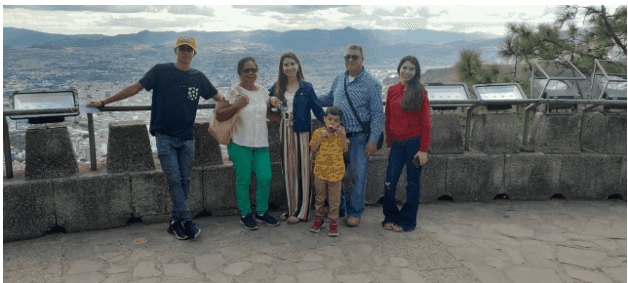
Erika with her family during a visit to Honduras.
Behind every immigrant is a story that rarely makes the headlines, a sacrifice that no statistic can capture. Every immigrant has their own story, their own reason for leaving their home. But more often than not, they are put into the same category, the same stereotype, and they’re cast aside.
The testimony of Erika
This week, I had the privilege of interviewing Erika Villeda, an immigrant living in Florida, from Honduras. I started off with some simple questions, she had come to the United States in 2005, when she was 20 years old. When I asked her why, if it was in pursuit of economic opportunities, or because she wanted a brighter future, she just told me that she came for her father, who had been diagnosed with cancer and needed medical treatment. She said that the opportunities she was given were just an additional benefit. Erika came to the US with only her father, with her siblings and mother staying in Honduras. She told me that she has a very close relationship with her mother, they talk on a daily basis. Whether it’s a 3 minute
Behind every immigrant is a story that rarely makes the headlines, a sacrifice that no statistic can capture. Every immigrant has their own story, their own reason for leaving their home. But more often than not, they are put into the same category, the same stereotype, and they’re cast aside.
The testimony of Erika
This week, I had the privilege of interviewing Erika Villeda, an immigrant living in Florida, from Honduras. I started off with some simple questions, she had come to the United States in 2005, when she was 20 years old. When I asked her why, if it was in pursuit of economic opportunities, or because she wanted a brighter future, she just told me that she came for her father, who had been diagnosed with cancer and needed medical treatment. She said that the opportunities she was given were just an additional benefit. Erika came to the US with only her father, with her siblings and mother staying in Honduras. She told me that she has a very close relationship with her mother, they talk on a daily basis. Whether it’s a 3 minute conversation asking about her day, or a 2 hour phone call to discuss what’s been happening with her family, Erika makes sure to stay in touch with her mom. She stated that the hardest thing she had to deal with when coming to the U.S, was saying goodbye to her mother and siblings, unsure of the next time they would be together again. Despite this, she assured me that she doesn’t regret moving at all. She built a life of her own, with two beautiful children, and a stable job.
Erika with her family during a visit to Honduras.
Erika with her family during a visit to Honduras.
conversation asking about her day, or a 2 hour phone call to discuss what’s been happening with her family, Erika makes sure to stay in touch with her mom. She stated that the hardest thing she had to deal with when coming to the U.S, was saying goodbye to her mother and siblings, unsure of the next time they would be together again. Despite this, she assured me that she doesn’t regret moving at all. She built a life of her own, with two beautiful children, and a stable job.
She did mention that she’s missed many important family events. She missed out on her siblings getting married, her nieces and nephews’ baptisms, birthdays, mother’s days, and numerous other family events. She said that in her first few years of living in the U.S, it was especially difficult because being in the U.S, she couldn’t call because apps like FaceTime didn’t exist yet, so she missed out on core moments with her family. She also told me how not being physically at home with her family made her feel helpless at times. A few years after she came to the US, her mother got severely sick. At the time, Erika couldn’t fly back home, so she couldn’t help her family out, and she was constantly anxious because she didn’t know what was going to happen, and what she could do to ease the struggle.
How is Erika now?
Nowadays, these hardships have become more manageable. She's able to visit her family more often, and it’s a lot easier for her to stay in touch with them thanks to their phones. When she visits, her family asks her to bring technology since it's more advanced in the US. But even when she’s not physically at home, she still contributes to her family.
Erika sends her family money once a month. The transfer goes to her dad, and he maintains the finances. When she sends her money back home, she tells them how they should use the money, and her family honors it. She did mention though, that she knows people who do the same as her, but their family misuses the funds they send back to their home country. When I asked her what would facilitate sending money back home, she told me that she would love it if the money she sends back is instantaneous, and specific, meaning the money sent can be used for the specific thing she’s sending it for. She told me that by knowing where her money is being allocated, and who receives it, there’s more established trust with her family, and there’s more security in her decisions.
She did mention that she’s missed many important family events. She missed out on her siblings getting married, her nieces and nephews’ baptisms, birthdays, mother’s days, and numerous other family events. She said that in her first few years of living in the U.S, it was especially difficult because being in the U.S, she couldn’t call because apps like FaceTime didn’t exist yet, so she missed out on core moments with her family. She also told me how not being physically at home with her family made her feel helpless at times. A few years after she came to the US, her mother got severely sick. At the time, Erika couldn’t fly back home, so she couldn’t help her family out, and she was constantly anxious because she didn’t know what was going to happen, and what she could do to ease the struggle.
How is Erika now?
Nowadays, these hardships have become more manageable. She's able to visit her family more often, and it’s a lot easier for her to stay in touch with them thanks to their phones. When she visits, her family asks her to bring technology since it's more advanced in the US. But even when she’s not physically at home, she still contributes to her family.
Erika sends her family money once a month. The transfer goes to her dad, and he maintains the finances. When she sends her money back home, she tells them how they should use the money, and her family honors it. She did mention though, that she knows people who do the same as her, but their family misuses the funds they send back to their home country. When I asked her what would facilitate sending money back home, she told me that she would love it if the money she sends back is instantaneous, and specific, meaning the money sent can be used for the specific thing she’s sending it for. She told me that by knowing where her money is being allocated, and who receives it, there’s more established trust with her family, and there’s more security in her decisions.

Erika today: the life she built in Florida with her two sons.
Erika today: the life she built in Florida with her two sons.
When I asked her if she was familiar with OKY, a digital app that allows users to send vouchers for specific products and services to their family, she told me that she now uses the app quite often. She told me that she sends OKY vouchers a few times per week, and that it’s gone really well for her. OKY helps her cover her family’s phone bills directly, and one of her favorite features are the numerous options for restaurant food, so she invites her nieces and nephews to pizza often, even though she’s not physically there. She told me that using OKY has alleviated a lot of stress and uncertainty she had been facing for years, and that she’s satisfied with the app and what it has to offer.
Erika came to the United States at 20 years old, for her father. She built a life, raised a family, and never stopped showing up for the people who stayed behind. There are hundreds of thousands of people navigating the same distance, the same guilt, and the same determination. But what OKY offers people like Erika isn't just a convenience: it's the ability to turn that determination into something tangible. A phone bill paid. A pizza shared with her nieces and nephews. A mother who knows she isn’t forgotten. Sometimes, love looks like a voucher sent from Florida to Honduras.
Nowadays, these hardships have become more manageable. She’s able to visit her family more often, and it’s a lot easier for her to stay in touch with them thanks to their phones. When she visits, her family asks her to bring technology since it’s more advanced in the US. But even when she’s not physically at home, she still contributes to her family.
Erika sends her family money once a month. The transfer goes to her dad, and he maintains the finances. When she sends her money back home, she tells them how they should use the money, and her family honors it. She did mention though, that she knows people who do the same as her, but their family misuses the funds they send back to their home country. When I asked her what would facilitate sending money back home, she told me that she would love it if the money she sends back is instantaneous, and specific, meaning the money sent can be used for the specific thing she’s sending it for. She told me that by knowing where her money is being allocated, and who receives it, there’s more established trust with her family, and there’s more security in her decisions.
When I asked her if she was familiar with OKY, a digital app that allows users to send vouchers for specific products and services to their family, she told me that she now uses the app quite often. She told me that she sends OKY vouchers a few times per week, and that it’s gone really well for her. OKY helps her cover her family’s phone bills directly, and one of her favorite features are the numerous options for restaurant food, so she invites her nieces and nephews to pizza often, even though she’s not physically there. She told me that using OKY has alleviated a lot of stress and uncertainty she had been facing for years, and that she’s satisfied with the app and what it has to offer.
Erika came to the United States at 20 years old, for her father. She built a life, raised a family, and never stopped showing up for the people who stayed behind. There are hundreds of thousands of people navigating the same distance, the same guilt, and the same determination. But what OKY offers people like Erika isn’t just a convenience: it’s the ability to turn that determination into something tangible. A phone bill paid. A pizza shared with her nieces and nephews. A mother who knows she isn’t forgotten.
“
“
“
Sometimes, love looks like a voucher sent from Florida to Honduras.
